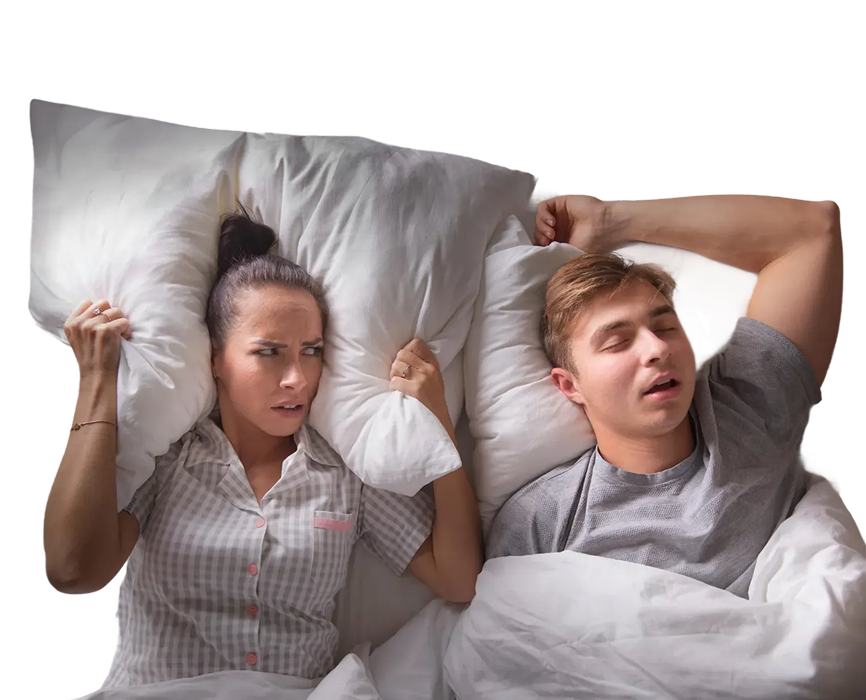
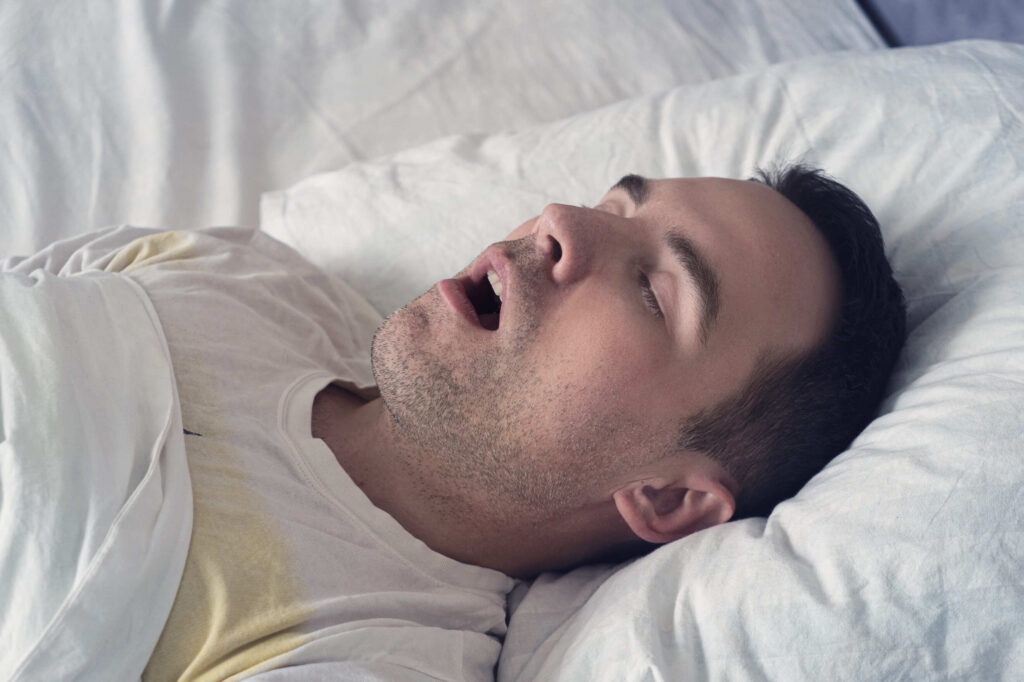






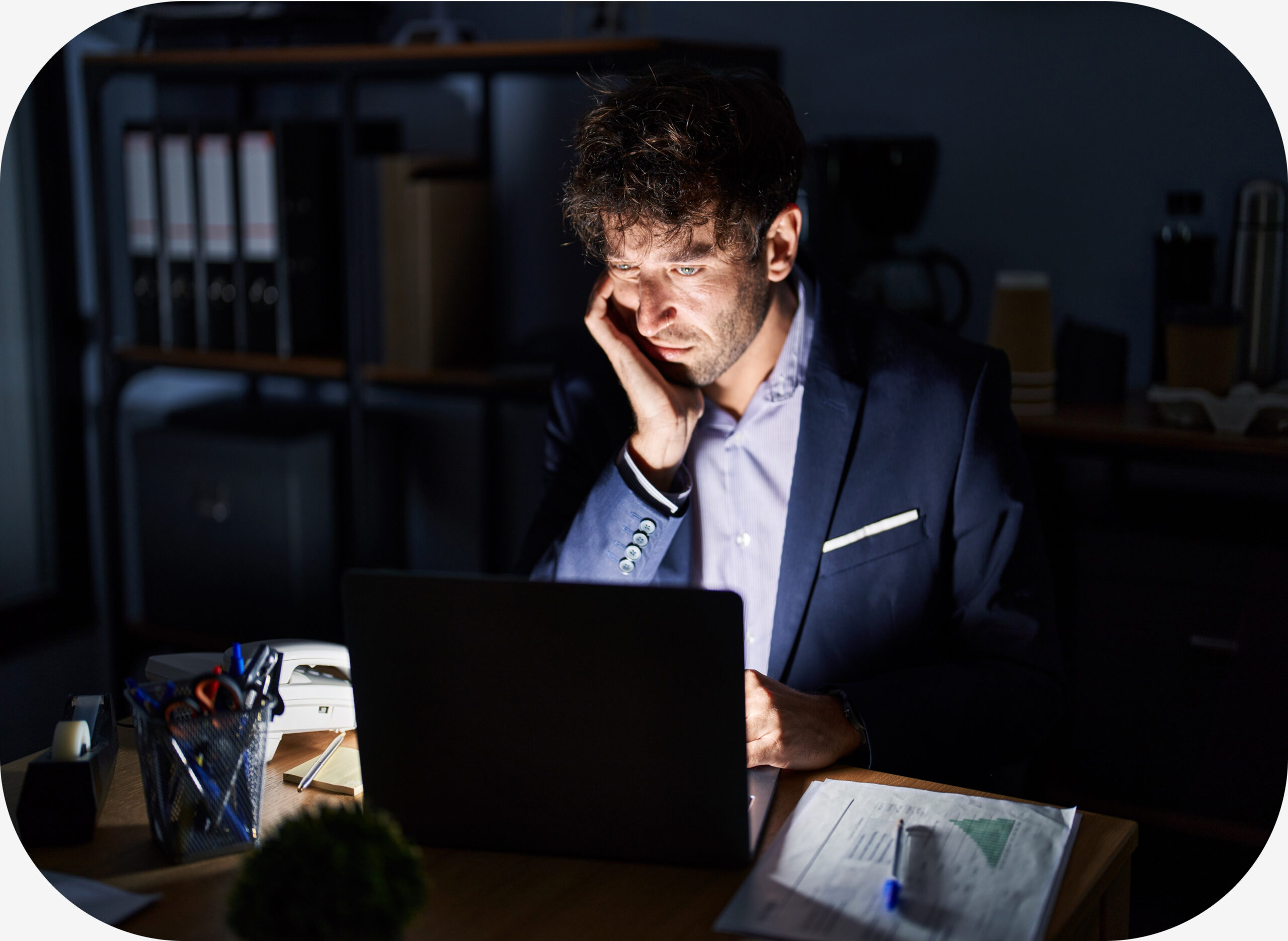
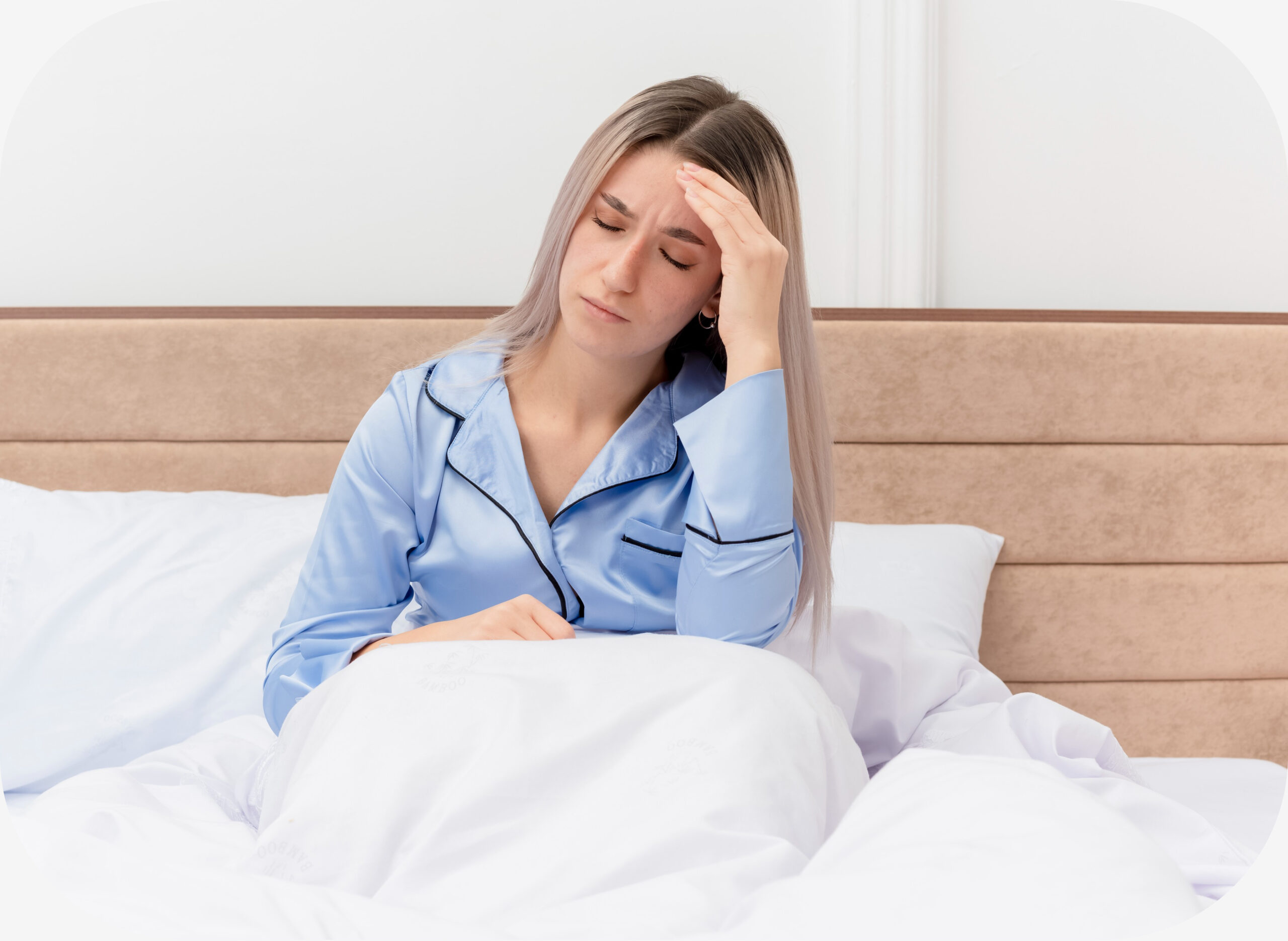

Snoring, Daytime Fatigue, or Waking Up Tired?
You may have sleep apnea — a common and treatable medical condition.
- Physician-directed assessment
- No referral required
- Most sleep testing is done at home
We will first arrange a visit with one of our family doctors to begin your evaluation.
How Our Sleep Program Works
At Chinook Medical Centre, our Sleep & Snoring Clinic provides assessment, diagnosis, and ongoing support for sleep-related concerns. Our team is here to help you understand your symptoms and guide you toward appropriate care.
Contact our clinic
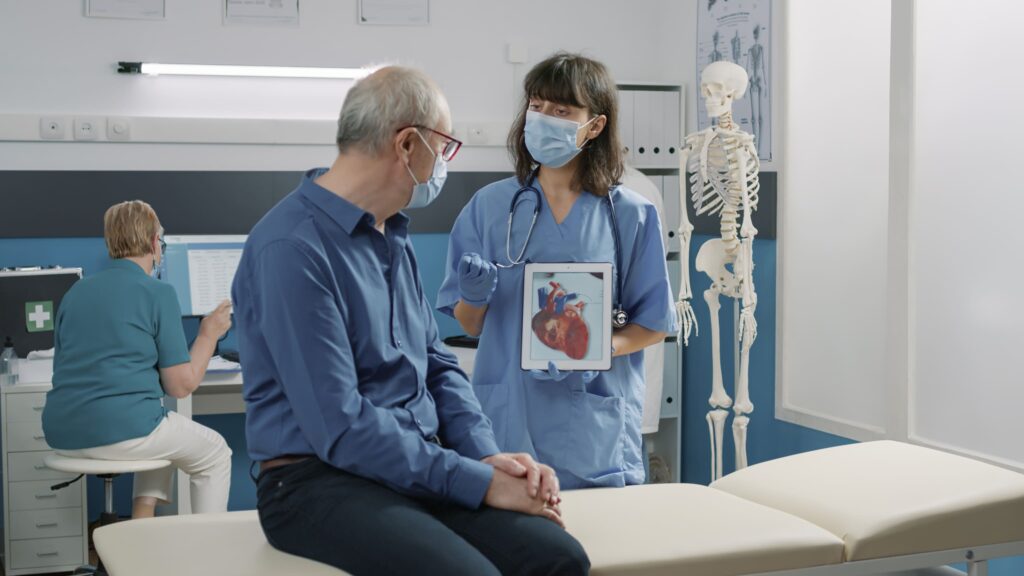
Meet a family doctor
for evaluation
Referral to our weekly sleep
clinic assessment
Contact our clinic
Meet a family doctor for evaluation
Referral to our weekly sleep
clinic assessment
Our Sleep & Snoring Clinic provides structured assessment, diagnosis, and follow-up care to help improve sleep quality and overall well-being.
Get Help at Our Sleep & Snoring Clinic
At Chinook Medical Centre, our Sleep & Snoring Clinic provides assessment, diagnosis, and ongoing support for sleep-related concerns. Our team is here to help you understand your symptoms and guide you toward appropriate care.
Initial Consultation
Diagnostic Testing
Personalized
Treatment Plan
Initial Consultation
Diagnostic Testing
Personalized
Treatment Plan
Our Sleep & Snoring Clinic provides structured assessment, diagnosis, and follow-up care to help improve sleep quality and overall well-being.
You should be assessed if you
If snoring, fatigue, or poor sleep has been affecting your daily life, it may be time for a medical assessment.
Snore loudly
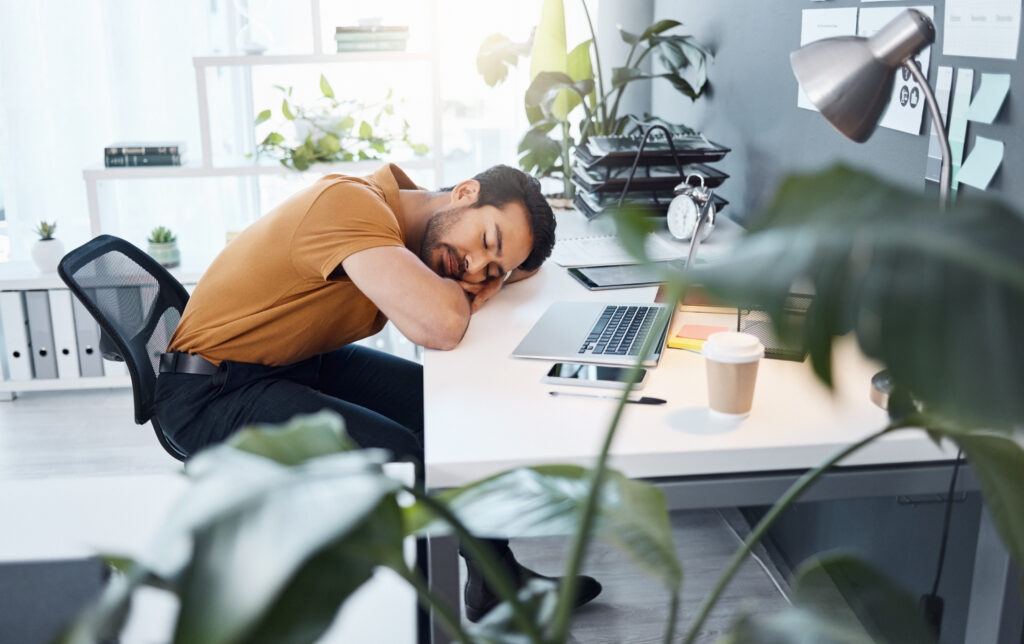
Feel tired during the day
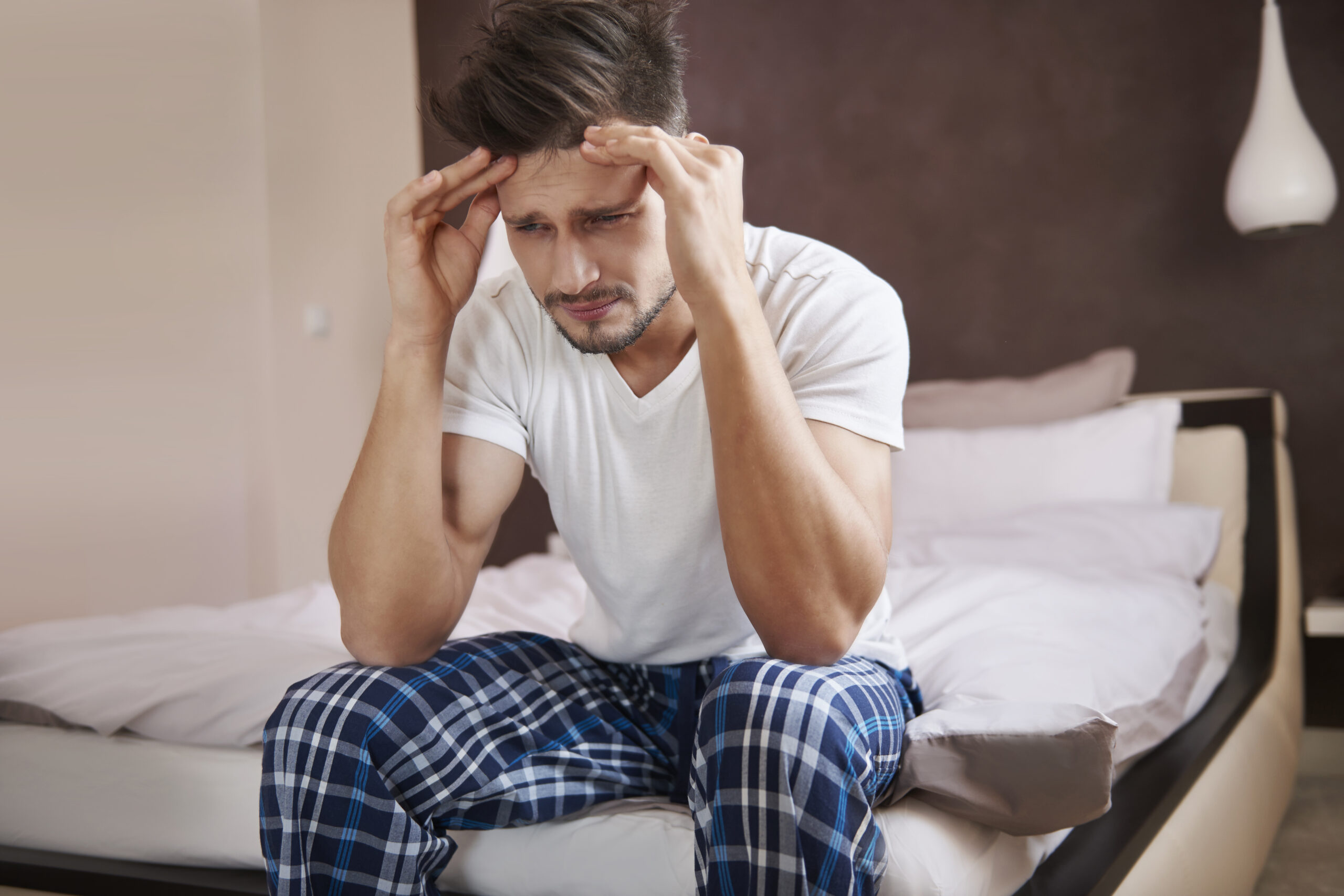
Wake with headaches
Wake gasping or choking
Have daytime sleepiness or brain fog
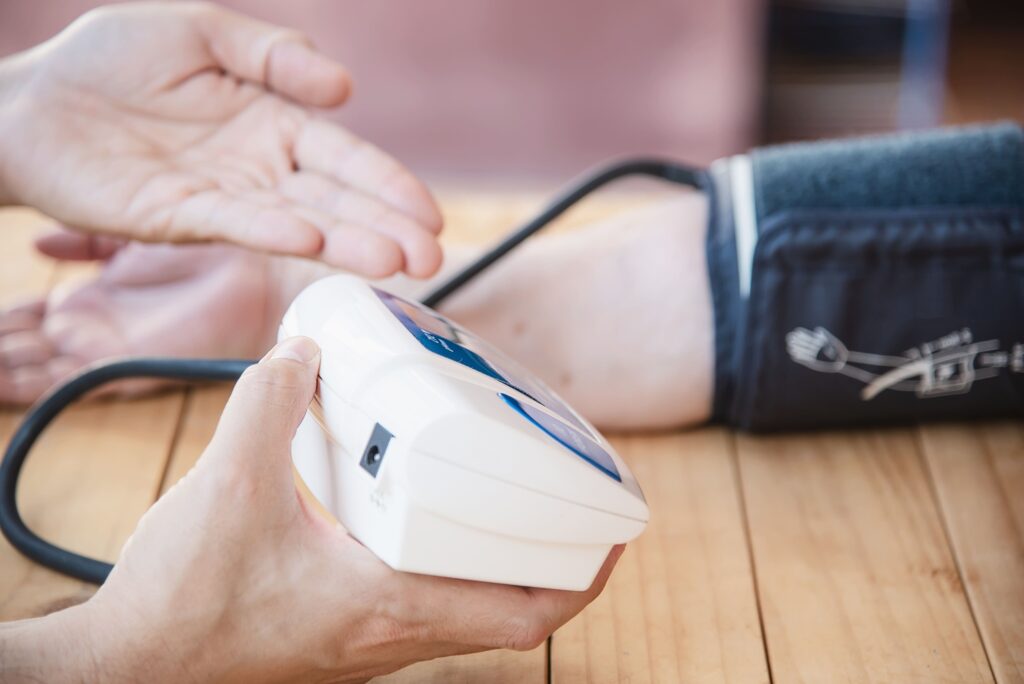
Have high blood pressure
Someone notices pauses in your breathing
Snore loudly
Feel tired during the day
Wake with headaches
Wake gasping or choking
Have daytime sleepiness
or brain fog
Have high blood pressure
Someone notices pauses
in your breathing
You may be at higher risk if you have:
If snoring, fatigue, or poor sleep has been affecting your daily life, it may be time for a medical assessment.
Difficult-to-control high blood pressure
Diabetes or prediabetes
Heart disease or irregular heartbeat
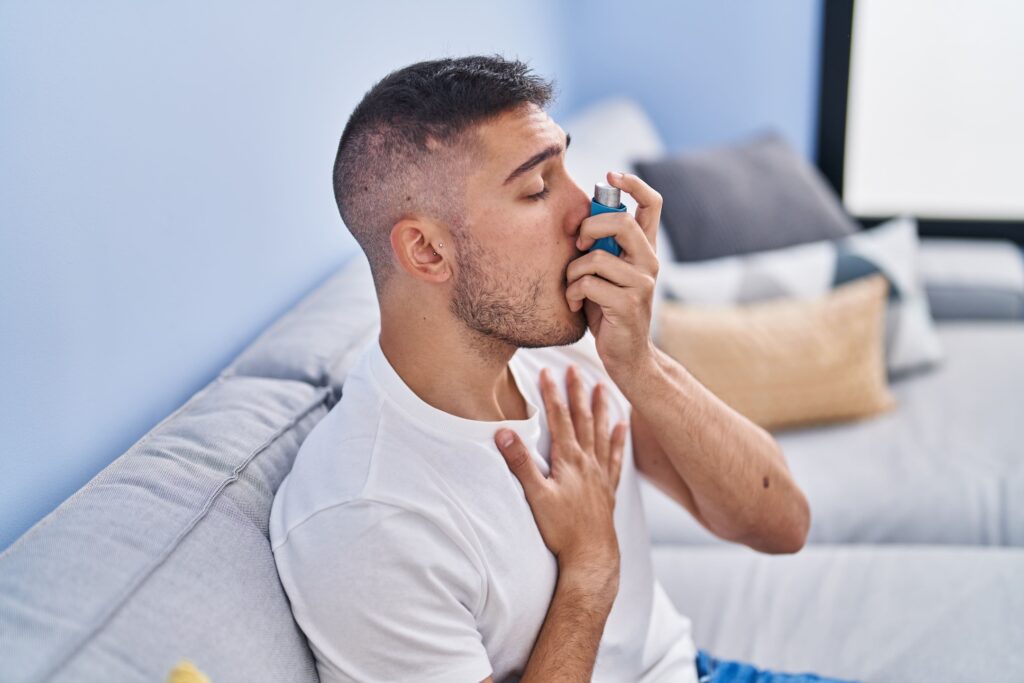
Asthma or COPD
Are overweight
Are a smoker or former smoker
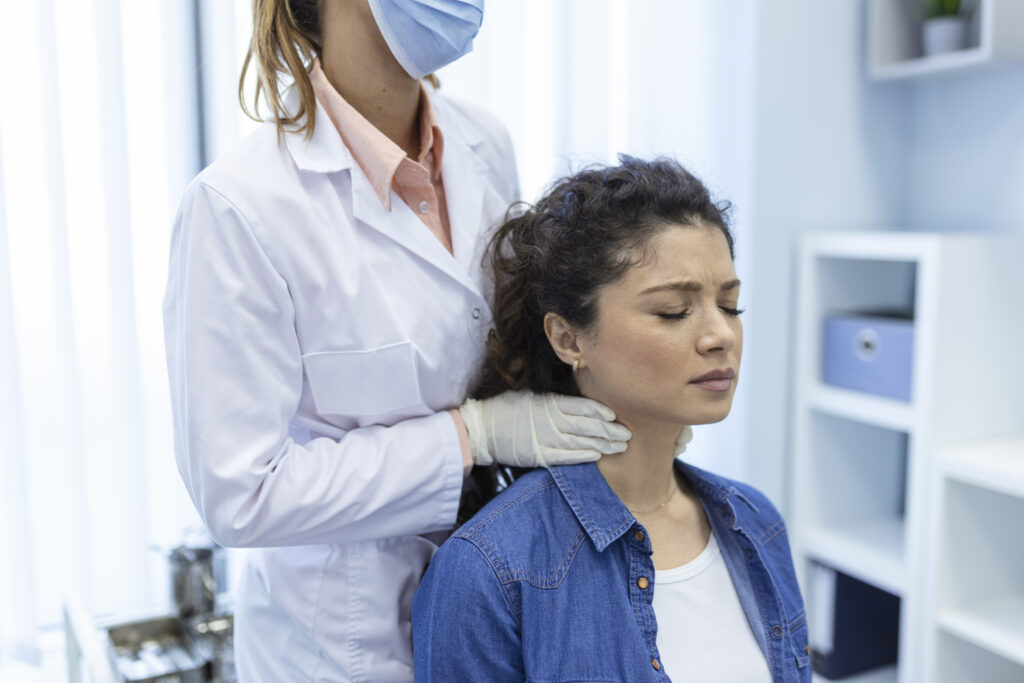
Large neck size
Family history of sleep apnea
Difficult-to-control high
blood pressure
Diabetes or prediabetes
Heart disease or irregular heartbeat
Asthma or COPD
Are overweight
Are a smoker or former smoker
Large neck size
Family history of sleep apnea
Your Complete Path to Better Sleep
From initial consultation to long-term follow-up, our Sleep & Snoring Clinic provides structured, physician-led care designed to improve sleep quality and overall health.
Treatment Options for Sleep Apnea and Snoring
• Lifestyle and sleep habit adjustments
• Medical management and follow-up care
• CPAP therapy when indicated
• Alternative therapies when appropriate
• Ongoing monitoring and support
What Patients Often Notice After Treatment
• Waking up feeling more refreshed
• Improved focus, productivity, and memory
• Reduced reliance on caffeine
• Better mood and patience
• Improved blood pressure control (for some patients)
Partner & Family Impact
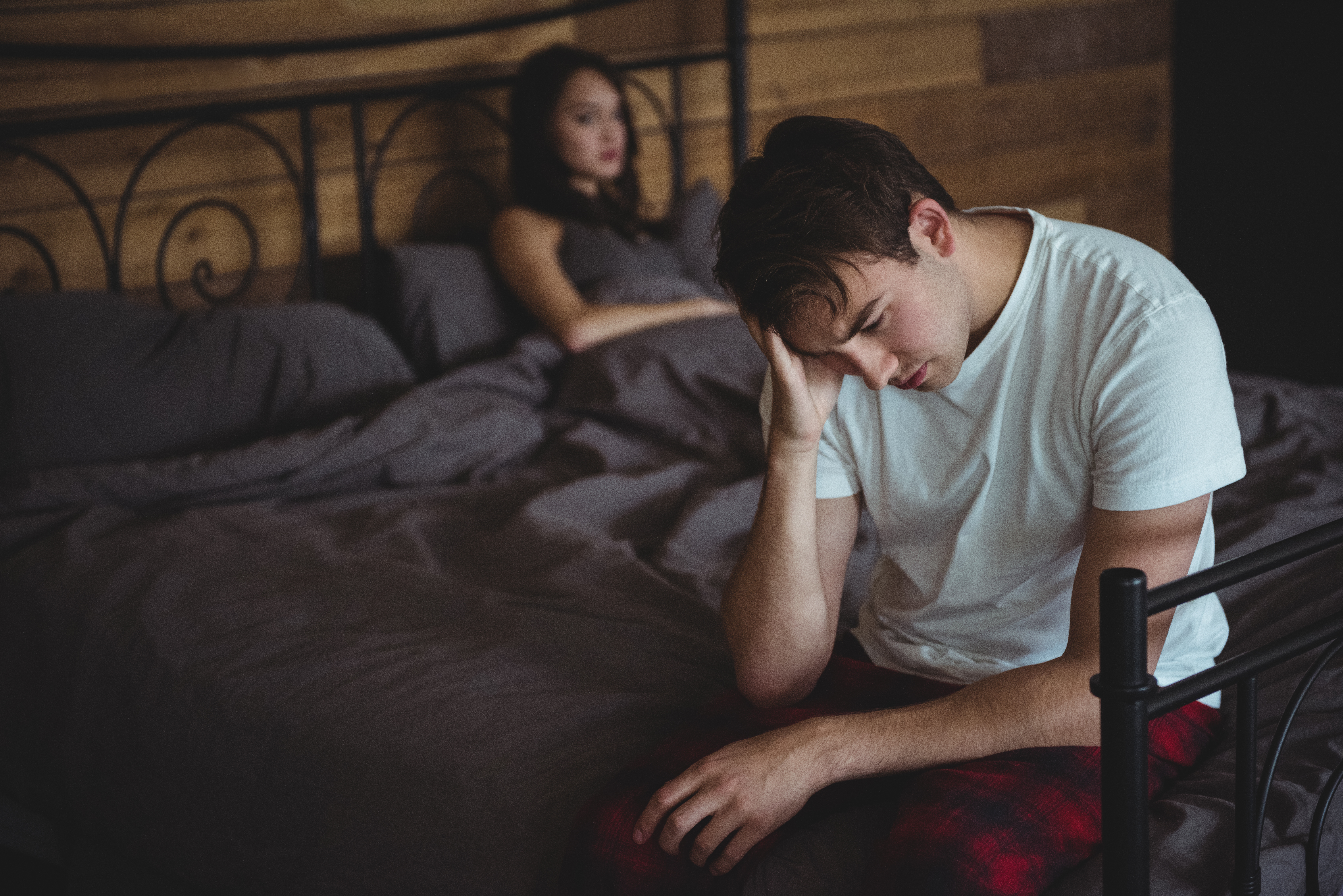
• Being kept awake by loud or irregular snoring
• Anxiety when pauses in breathing are noticed
• Sleeping in separate rooms due to disruption
• Increased tension or frustration
• Concern about long-term health risks)
What to Expect at Your Sleep & Snoring Clinic Appointment
• A detailed review of your sleep symptoms and medical history
• Risk screening for sleep apnea and related breathing disorders
• Home sleep testing when appropriate
• Review of results with a healthcare provider
• A personalized treatment plan tailored to your diagnosis
Our family doctors provide continuous, personalized healthcare for patients of all ages. Whether it’s preventive care or managing chronic conditions, we’re here for your family’s health journey.
- Accepting new patients
- Personalized treatment plans
- Preventive screenings & checkups
- Long-term chronic care management
Sleep is essential for brain repair, memory consolidation, and emotional regulation. When sleep is disrupted:
- Concentration and decision-making decline
- Memory becomes less reliable
- Reaction time slows (important for driving and safety)
- Mood becomes more fragile—irritability and anxiety increase
- Symptoms of depression may worsen
Treatment depends on your diagnosis and severity. Options may include:
- Lifestyle and sleep habit adjustments
- Medical management and follow-up care
- CPAP therapy when indicated
- Alternative therapies when appropriate
- Ongoing monitoring and support to ensure long-term improvement
Repeated oxygen drops and stress-system activation can place significant strain on the cardiovascular system. Untreated sleep apnea has been associated with:
- High blood pressure that is difficult to control
- Increased risk of heart disease and stroke
- Irregular heart rhythms in some patients
- Worsening diabetes and metabolic health
Sleep Apnea vs Snoring: What’s the Difference?
Not all snoring is sleep apnea—but most sleep apnea involves snoring. Here’s a simple comparison:
Sleep Apnea
• A medical condition where breathing repeatedly stops during sleep
• Oxygen levels drop and sleep becomes fragmented
• Often causes significant daytime fatigue and brain fog
• Associated with long-term health risks if untreated
Snoring
• Caused by vibration of airway tissues
• May worsen with alcohol, congestion, weight gain, or sleeping position
• Can be disruptive but not always dangerous
• Still worth assessing if loud, frequent, or worsening
Our family doctors provide continuous, personalized healthcare for patients of all ages. Whether it’s preventive care or managing chronic conditions, we’re here for your family’s health journey.
- Accepting new patients
- Personalized treatment plans
- Preventive screenings & checkups
- Long-term chronic care management
Sleep is essential for brain repair, memory consolidation, and emotional regulation. When sleep is disrupted:
- Concentration and decision-making decline
- Memory becomes less reliable
- Reaction time slows (important for driving and safety)
- Mood becomes more fragile—irritability and anxiety increase
- Symptoms of depression may worsen
Not all snoring is sleep apnea—but most sleep apnea involves snoring. Here’s a simple comparison:
- Caused by vibration of airway tissues
- May worsen with alcohol, congestion, weight gain, or sleeping position
- Can be disruptive but not always dangerous
- Still worth assessing if loud, frequent, or worsening
Repeated oxygen drops and stress-system activation can place significant strain on the cardiovascular system. Untreated sleep apnea has been associated with:
- High blood pressure that is difficult to control
- Increased risk of heart disease and stroke
- Irregular heart rhythms in some patients
- Worsening diabetes and metabolic health
When Poor Sleep Starts Controlling Your Life
Poor sleep affects far more than energy. Patients commonly describe:
- Feeling mentally “foggy” or slower than usual
- Difficulty focusing at work, school, or conversations
- Relying on caffeine just to get through the day
- Mood changes, irritability, or anxiety that feels “out of character”
- Unintentional dozing during quiet moments (TV, reading, meetings)
- Strain in relationships due to snoring, restlessness, or separate sleeping arrangements
Common Symptoms of Sleep Apnea and Sleep Disorders
You may benefit from a sleep assessment if you experience one or more of the following:
- Loud or chronic snoring (often noticed by others)
- Waking up tired despite 7–9 hours of sleep
- Daytime fatigue, low energy, or brain fog
- Morning headaches, dry mouth, or sore throat
- Unintentional dozing Difficulty concentrating or memory issuesduring quiet moments (TV, reading, meetings)
- Mood changes, irritability, anxiety, or low motivation
- Waking up gasping, choking, or short of breath
- High blood pressure that is difficult to control
Why Sleep Disorders Should Not Be Ignored
Untreated sleep disorders can place constant stress on the body. Over time, this may contribute to:
- Increased risk of heart disease and stroke
- Worsening high blood pressure and diabetes
- Reduced alertness, slower reaction time, and impaired judgment
- Higher risk of motor vehicle and workplace accidents
- Long-term effects on mental health, mood, and memory
The Science Behind Poor Sleep (Patient-Friendly)
Healthy sleep is made up of repeating cycles, including light sleep, deep sleep, and REM sleep. Deep sleep supports physical recovery, immune function, and energy. REM sleep supports learning, memory, and emotional balance.
In obstructive sleep apnea (OSA), the airway becomes narrow or collapses during sleep. When airflow is reduced or blocked, the body responds immediately:
- Breathing slows or stops for seconds at a time (sometimes longer)
- Oxygen levels in the blood drop
- Carbon dioxide rises
- The brain triggers a brief “alarm” to restart breathing
What Our Clients Say About Us
Frequently Ask Questions
What is sleep apnea?
Sleep apnea is a medical condition where breathing repeatedly stops and starts during sleep. These pauses can reduce oxygen levels and disrupt restorative sleep.
Is loud snoring always a sign of sleep apnea?
No. Not all snoring is sleep apnea. However, loud, chronic, or worsening snoring can be a sign of an underlying sleep-related breathing disorder and should be assessed.
What is a home sleep test?
A home sleep test is a medical test completed at home while you sleep. It measures breathing and oxygen-related data to help diagnose sleep apnea and related conditions.
Do I need a referral to book an appointment?
No referral is required. You can book directly online.
Will everyone diagnosed with sleep apnea need CPAP therapy?
No. Treatment depends on the diagnosis and severity. Some patients improve with lifestyle changes or other therapies, while others may benefit from CPAP or alternatives.
Is untreated sleep apnea serious?
Yes. Untreated sleep apnea is associated with increased risk of heart disease, stroke, high blood pressure, diabetes, and accidents due to daytime sleepiness.
Still have questions?
Can’t find the answer you’re looking for? Please chat to our friendly team.
Contact Us Today
Submit your details, and we’ll reach out to you shortly